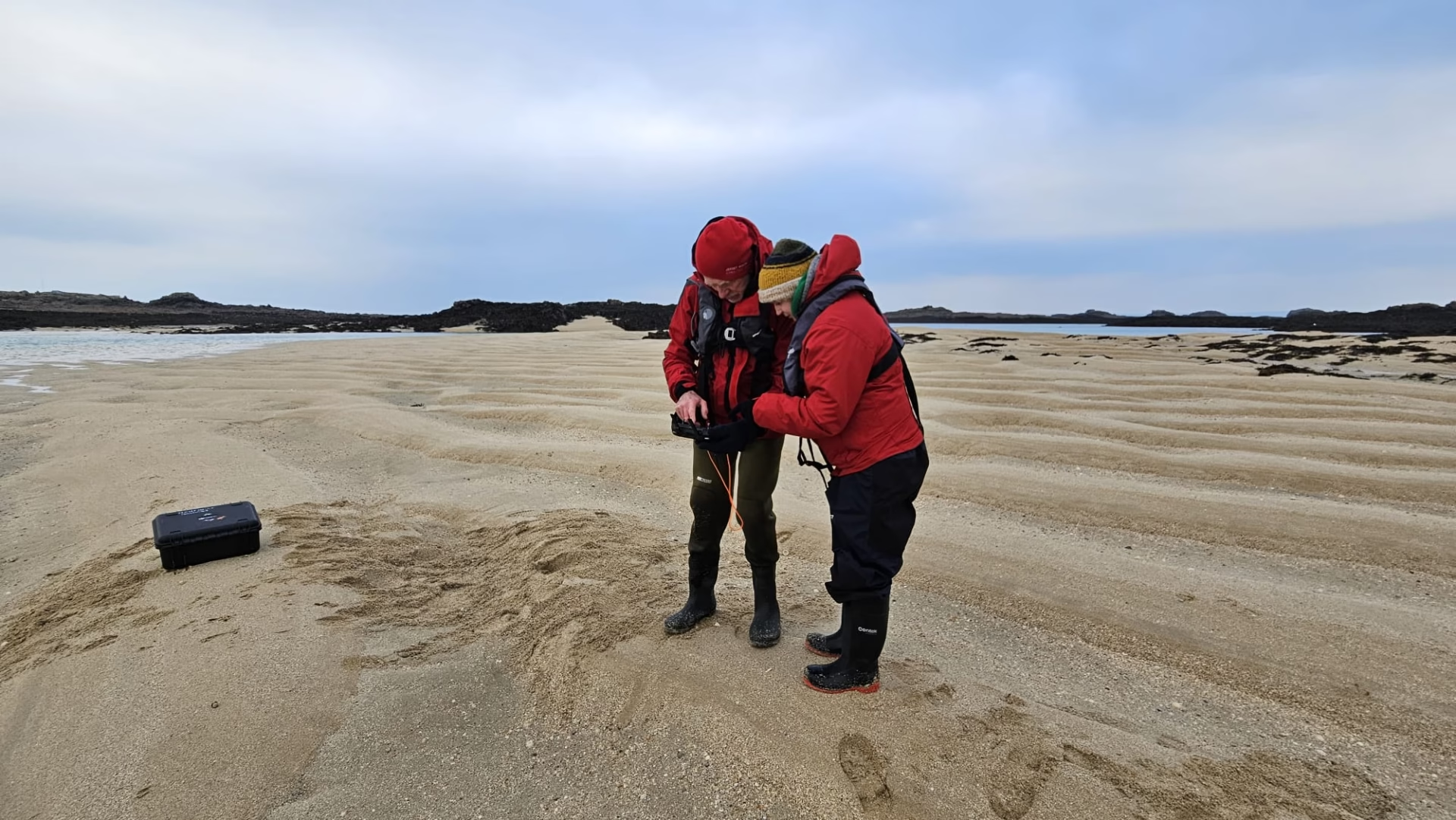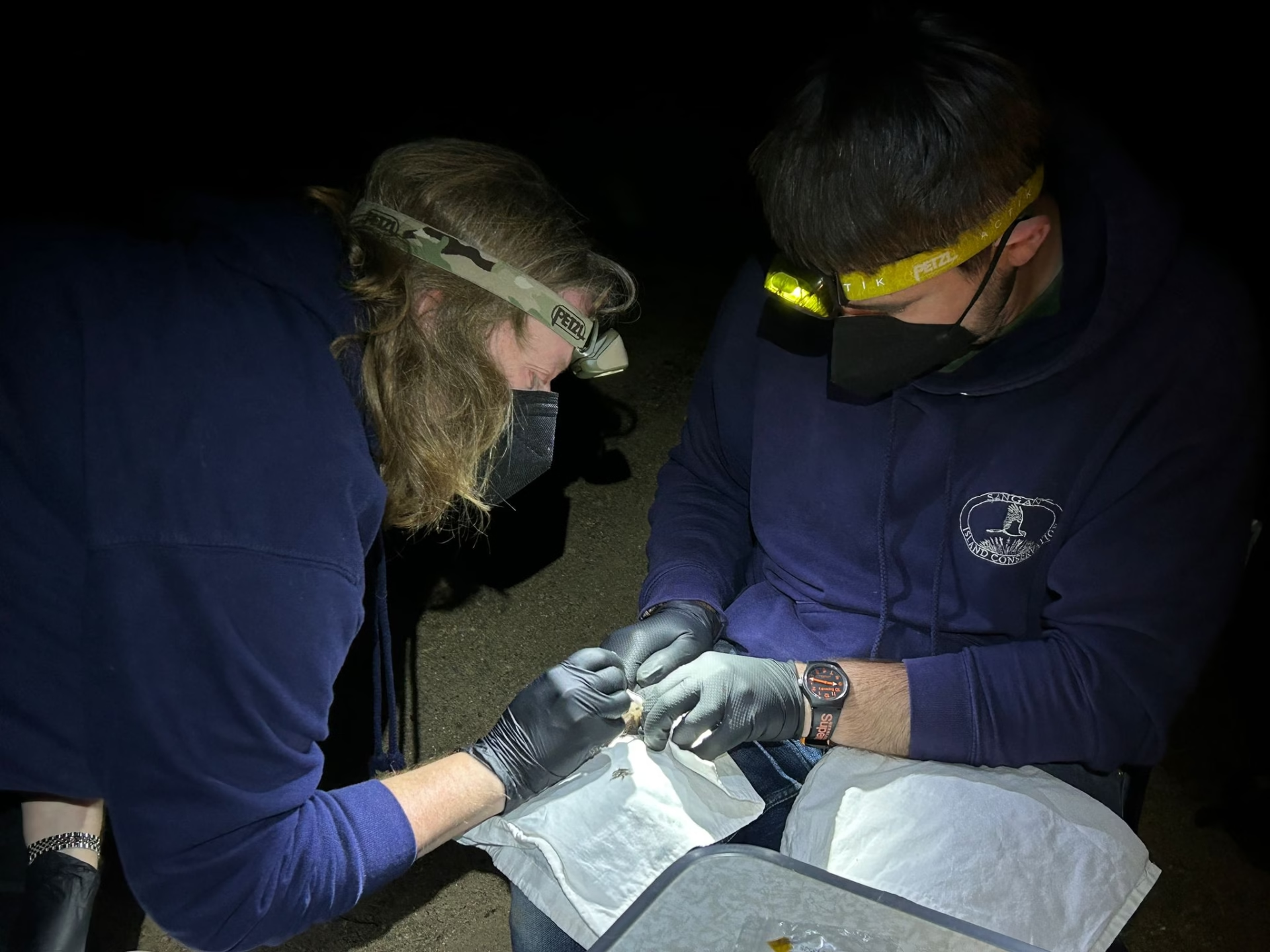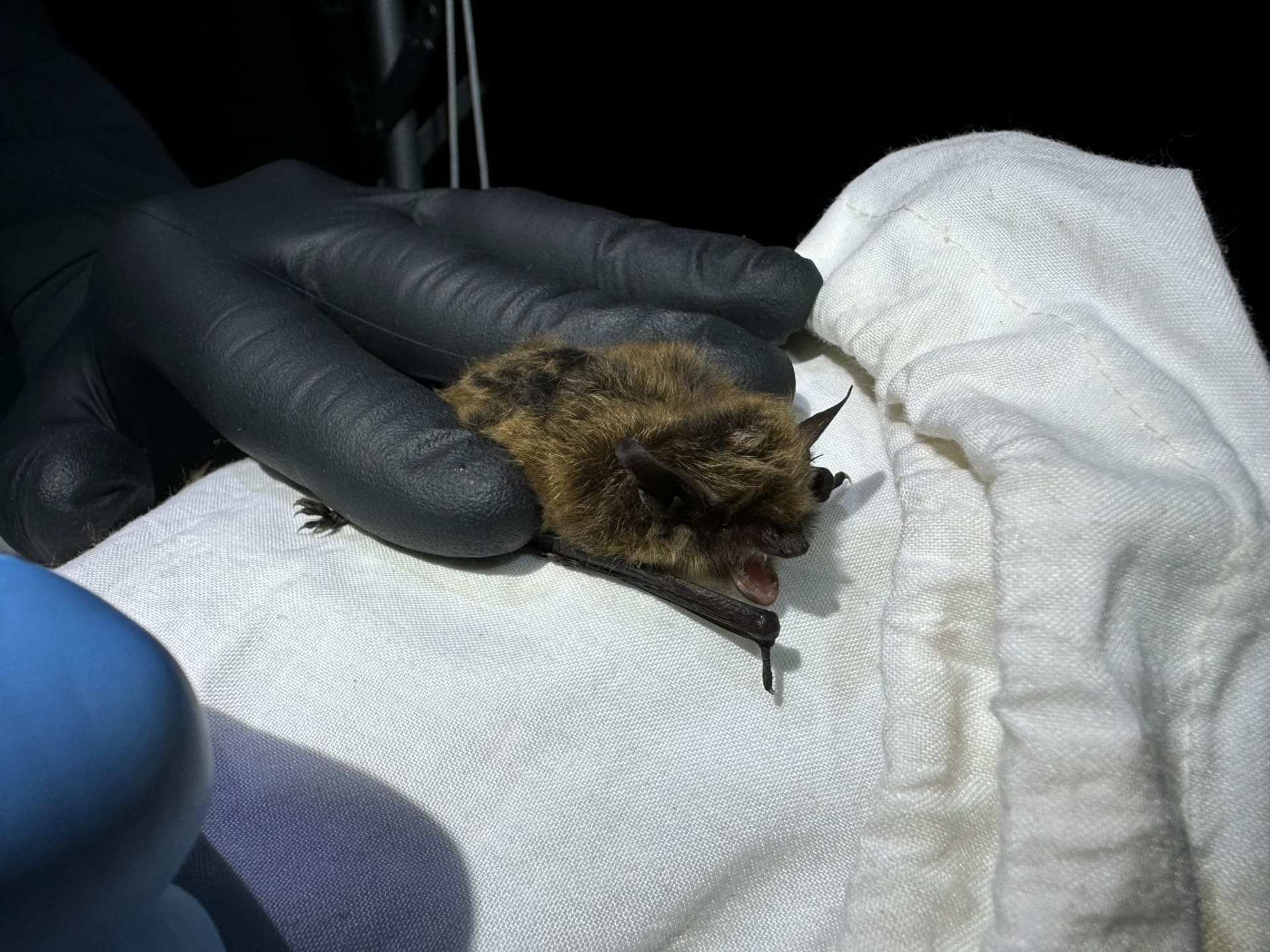
This PhD research explores how island ecosystems shape the ecology and distribution of three shrew species in the Channel Islands using cutting-edge passive acoustic monitoring (PAM) technology. By comparing acoustic detection with traditional live-trapping methods, the project evaluates how effectively we can monitor these cryptic, sensitive mammals across different habitats and seasons.
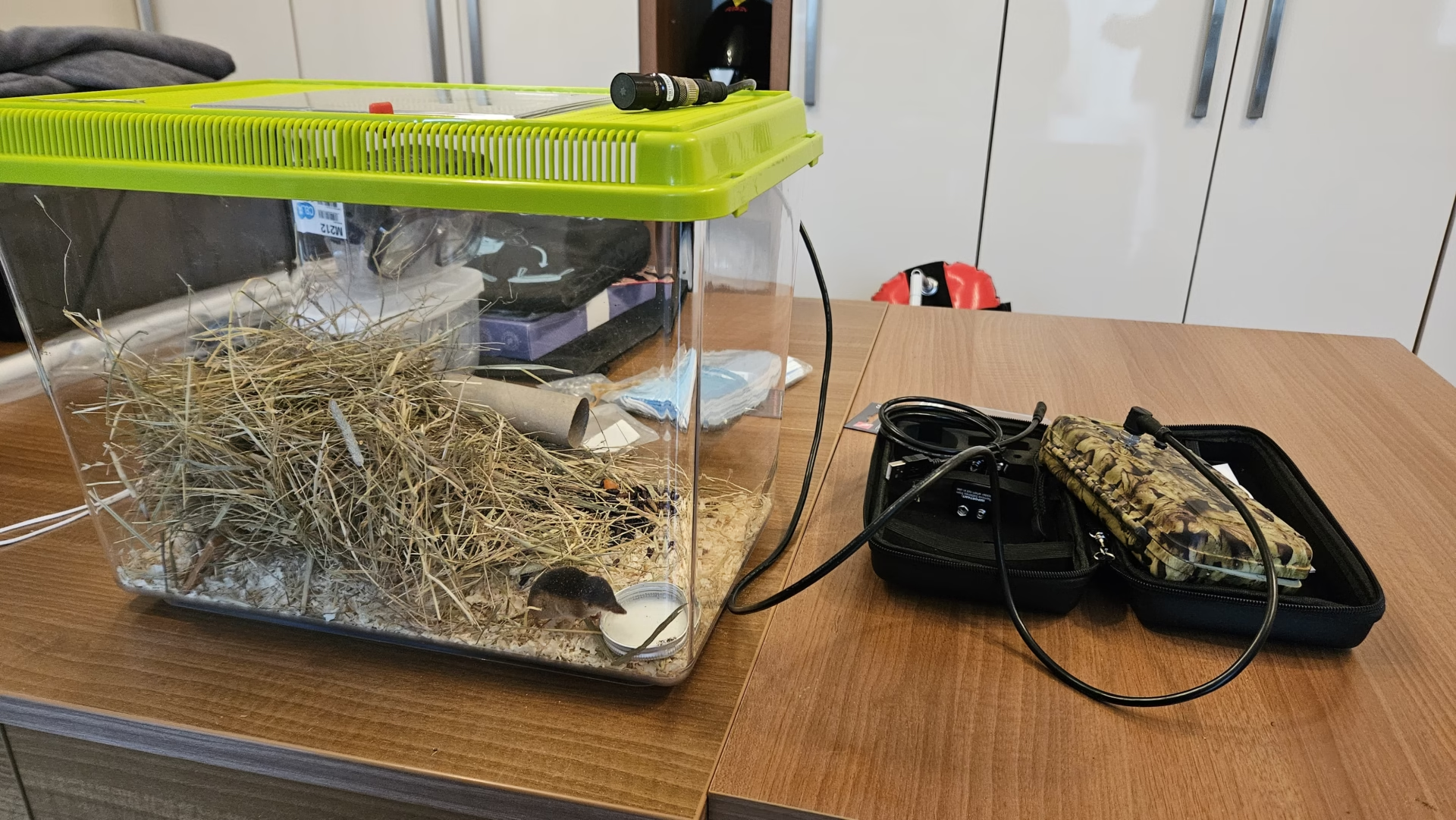
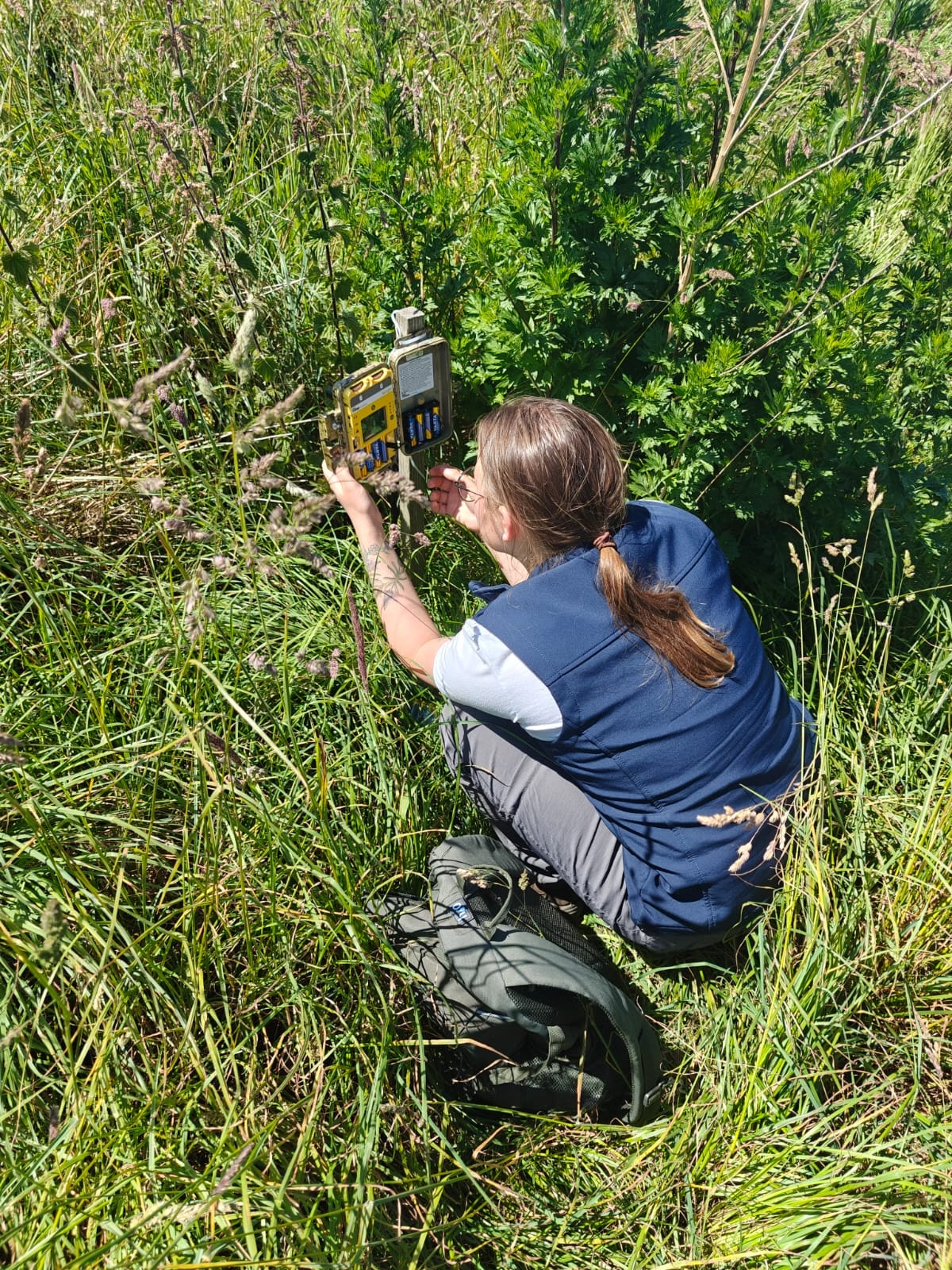
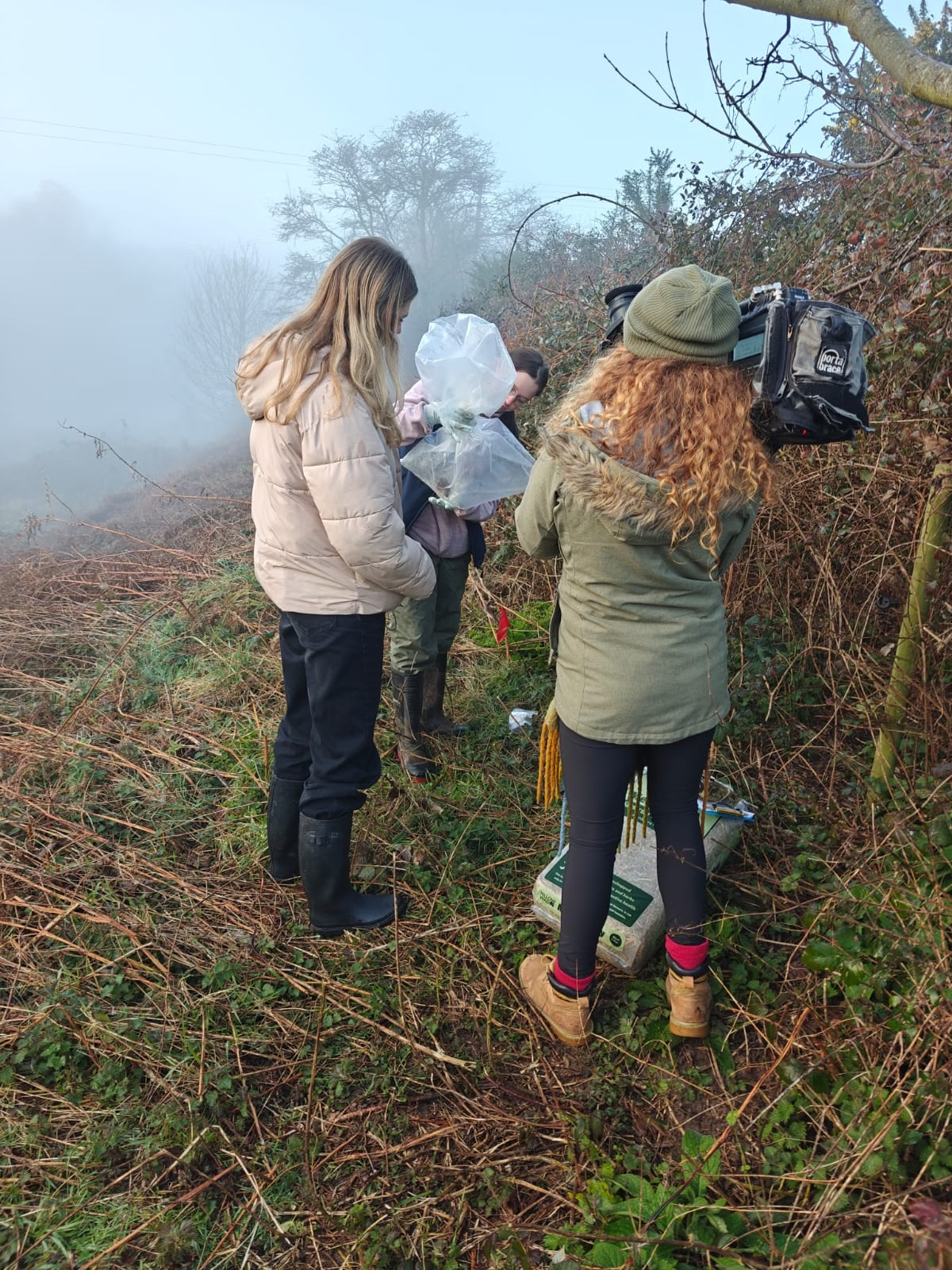
The research investigates fundamental questions about island biogeography: How do shrews partition limited habitat resources? What drives their acoustic activity patterns? And how might climate and land-use change reshape their future distributions across Europe?
Combining field ecology, bioacoustics, and spatial modeling, this work develops new non-invasive survey methods for small mammals while providing critical insights into how island populations adapt to ecological pressures. The findings will inform conservation strategies for insular species facing environmental change and demonstrate the potential of acoustic monitoring as a powerful tool for wildlife research.
This project is funded by the Jersey Community Foundation, Guernsey Nature Commission, Societe Jersiaise, and the States of Jersey. Hannah Le Morvan won the Peter Warpole People’s Choice Award in 2024
Acknowledgment is given to Jersey Dairy and The Botanic Gardens at Samares Manor for providing incredible support for this project.
Reports & Media:
- https://www.researchgate.net/publication/399796723_Eavesdropping_on_Small_Mammals_A_Comparison_of_Monitoring_Methods
- https://www.itv.com/watch/news/first-of-its-kind-study-aims-to-see-how-climate-change-affects-jerseys-shrew-population/hnc3dgc
- https://intactinsuranceci.com/news/2024-jersey-conservation-awards
- https://www.bbc.co.uk/sounds/play/m002wfc4
- https://www.bbc.co.uk/news/articles/crmprw2mmrwo