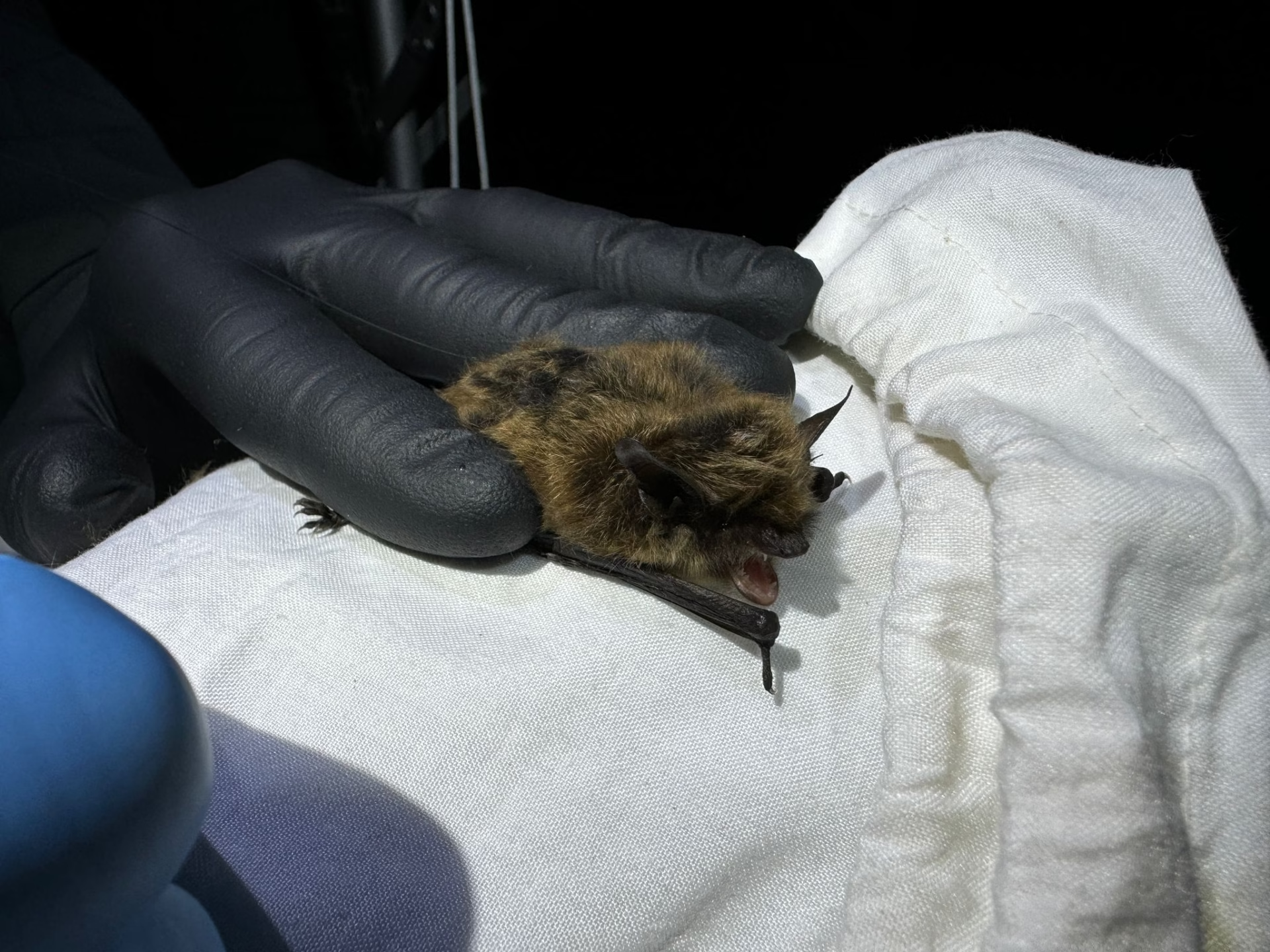
The Grey Long-Eared Bat Project began in 2019 following the discovery of a nationally important maternity roost at Les Freres Methodist Chapel. Over four years, our team conducted 37 detailed nocturnal surveys using bat detectors, thermal imaging, and infrared cameras to monitor this exceptional colony.
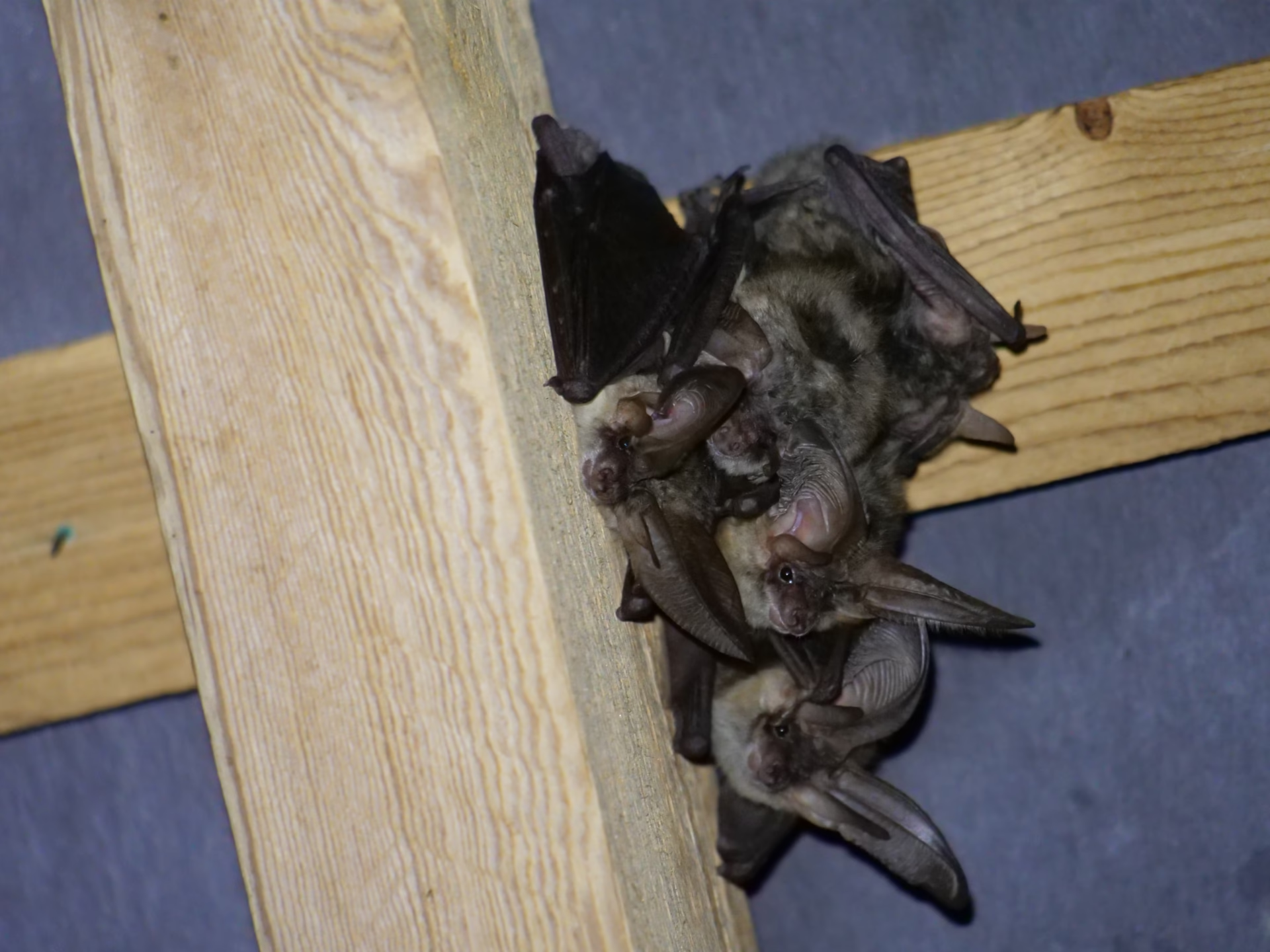
Our intensive monitoring has revealed fascinating insights into grey long-eared bat behavior. We’ve recorded over 2,400 bat emergences, with numbers typically peaking around late June before stabilizing as young bats develop flight capabilities. Mean emergence time occurs approximately 20 minutes after sunset, with our highest single count reaching 93 bats in August 2020.
The project has documented both successes and challenges for this population. While data from 2019-2021 showed healthy reproductive patterns, the July 2022 heatwave tragically resulted in mass pup mortality, highlighting the vulnerability of bat populations to extreme weather events. [anything from monitoring post-2022?]
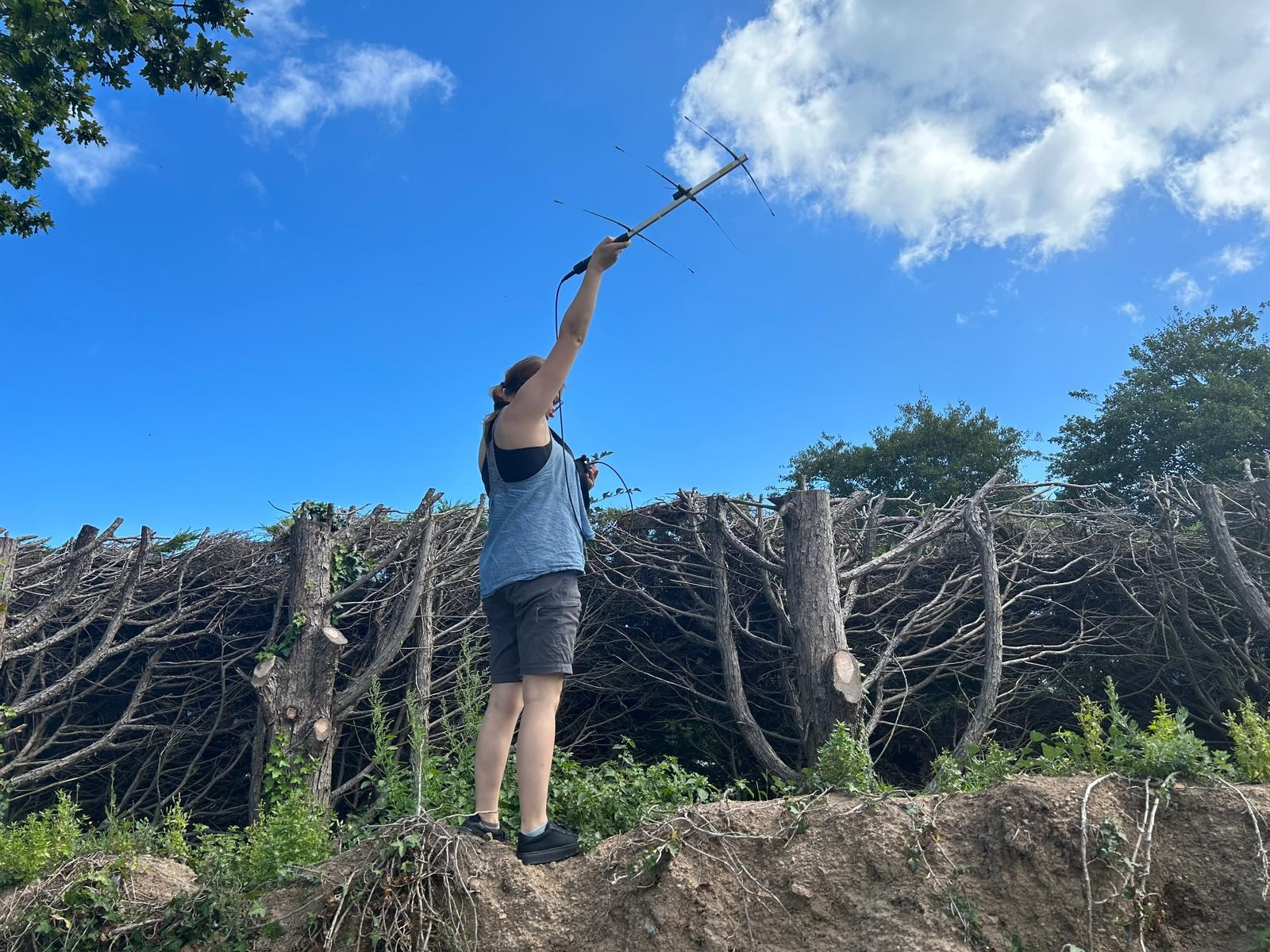
Expanding beyond Les Freres, we’ve identified three additional confirmed maternity roosts across the Island, along with various day roosts, social roosts, and potential swarming sites. Our ongoing work aims to locate further maternity colonies and investigate other roost types, including a nearby site likely used by non-breeding individuals and males, building a comprehensive understanding of Jersey’s grey long-eared bat population.
Reports & Media: