20 July 2025
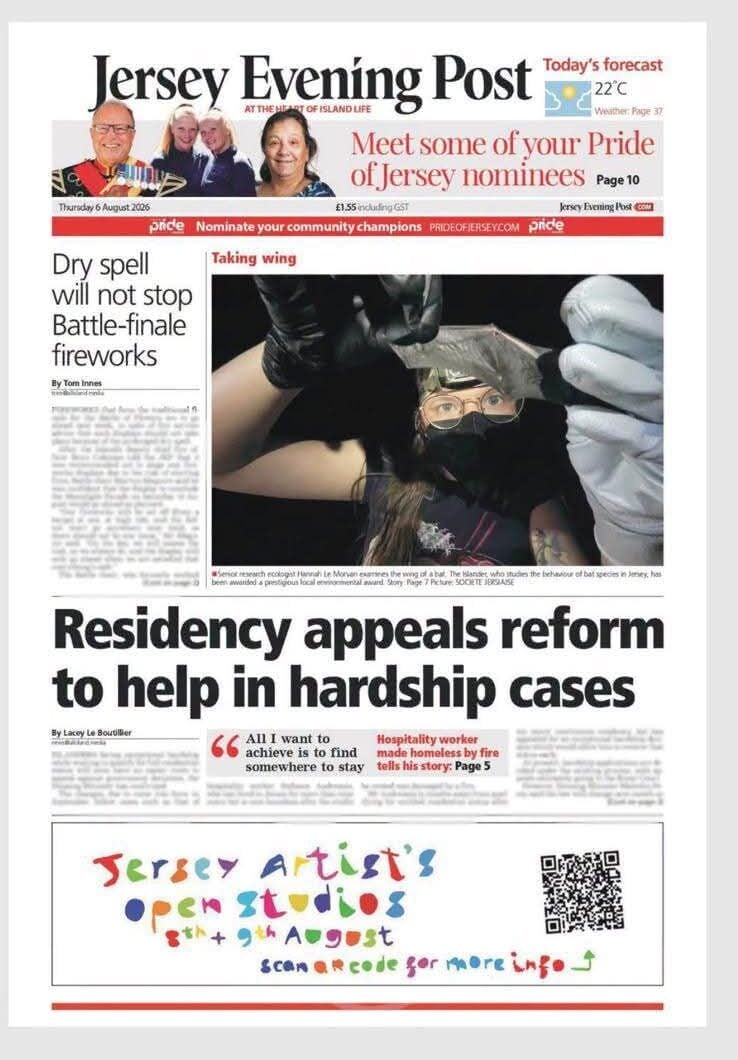
A feature in this year’s Royal Jersey Journal, written by Cathy Le Feuvre, took a closer look at one of the quieter parts of our work: the bat surveys we run across Jersey’s dairy farms. It’s the kind of project that doesn’t always make headlines, but it tells a genuinely good story about how farming and conservation can work together, so we wanted to share it here too.
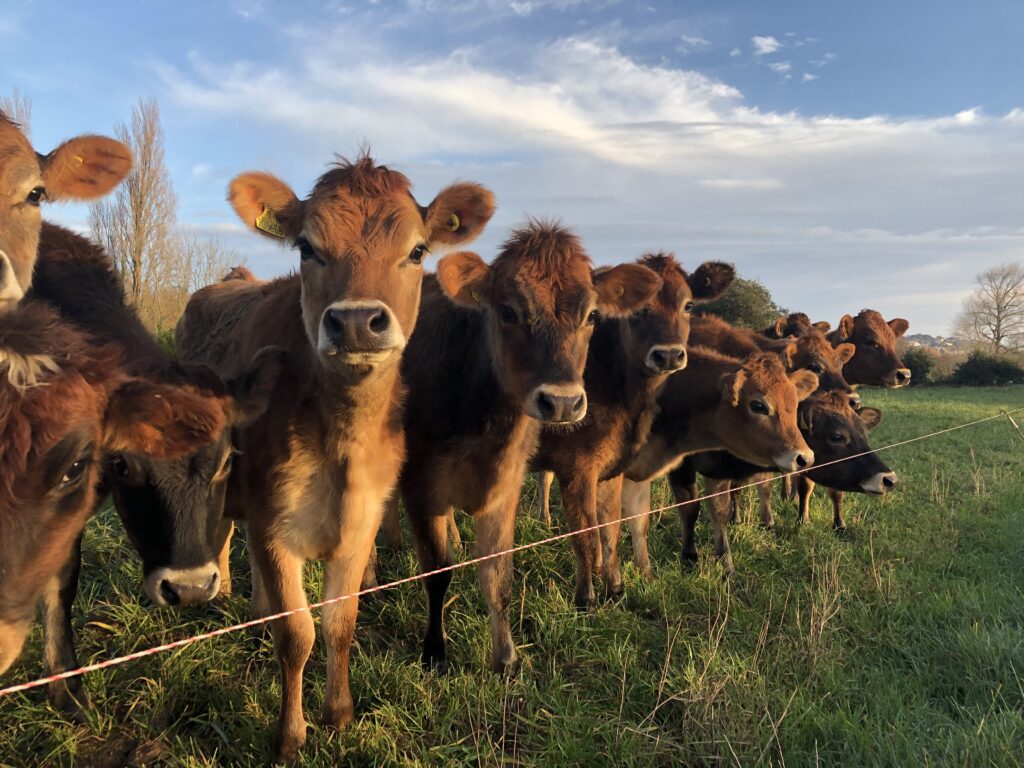
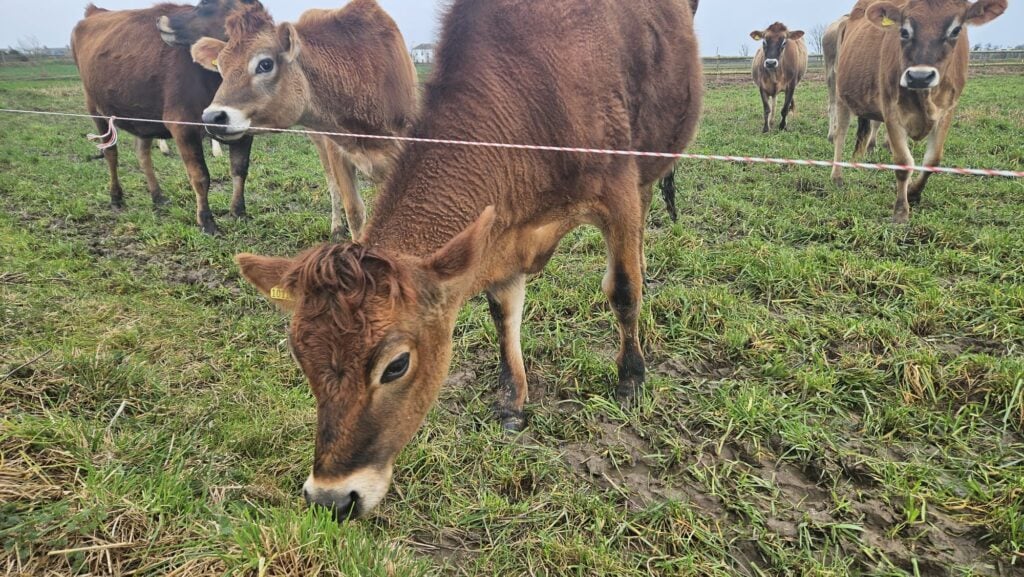
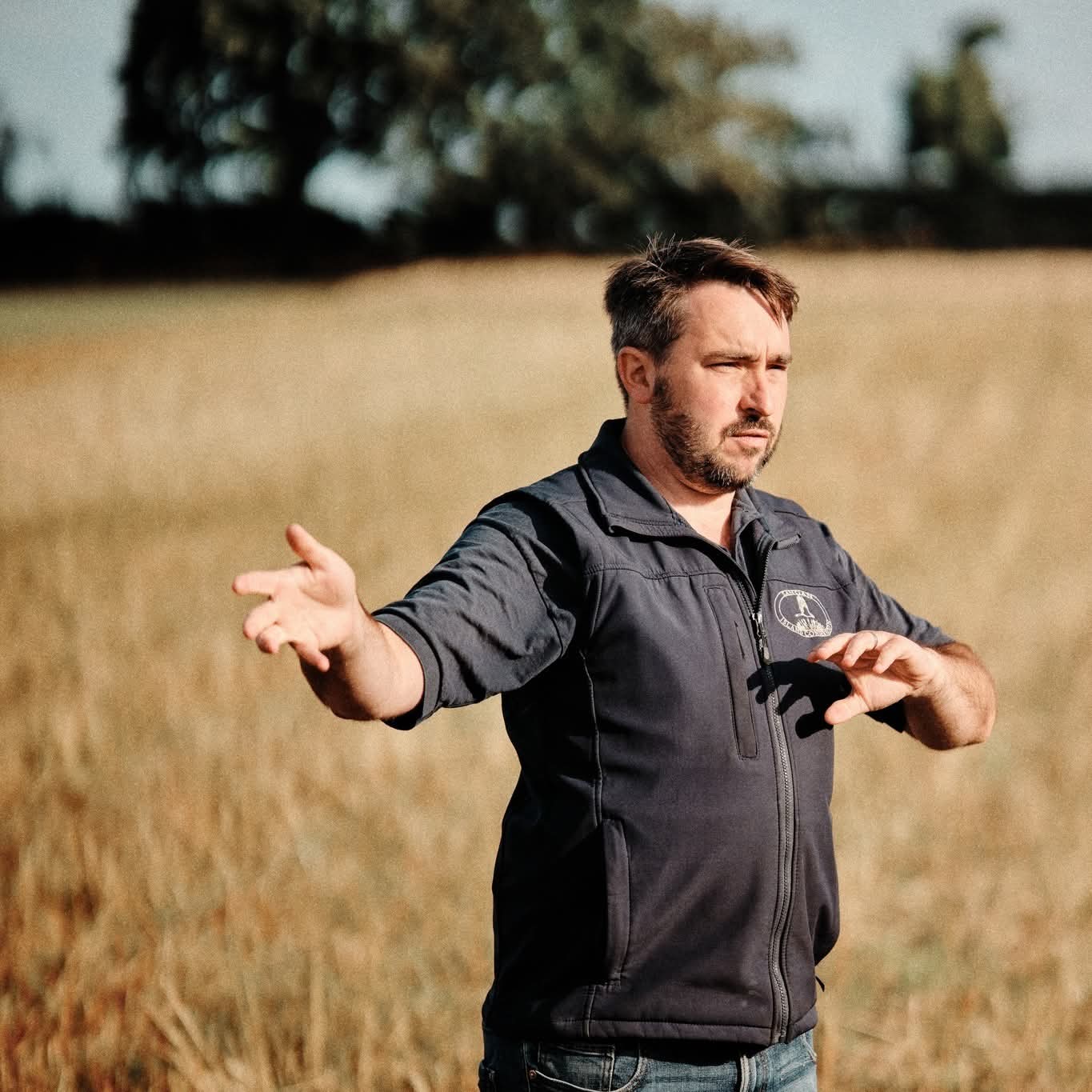
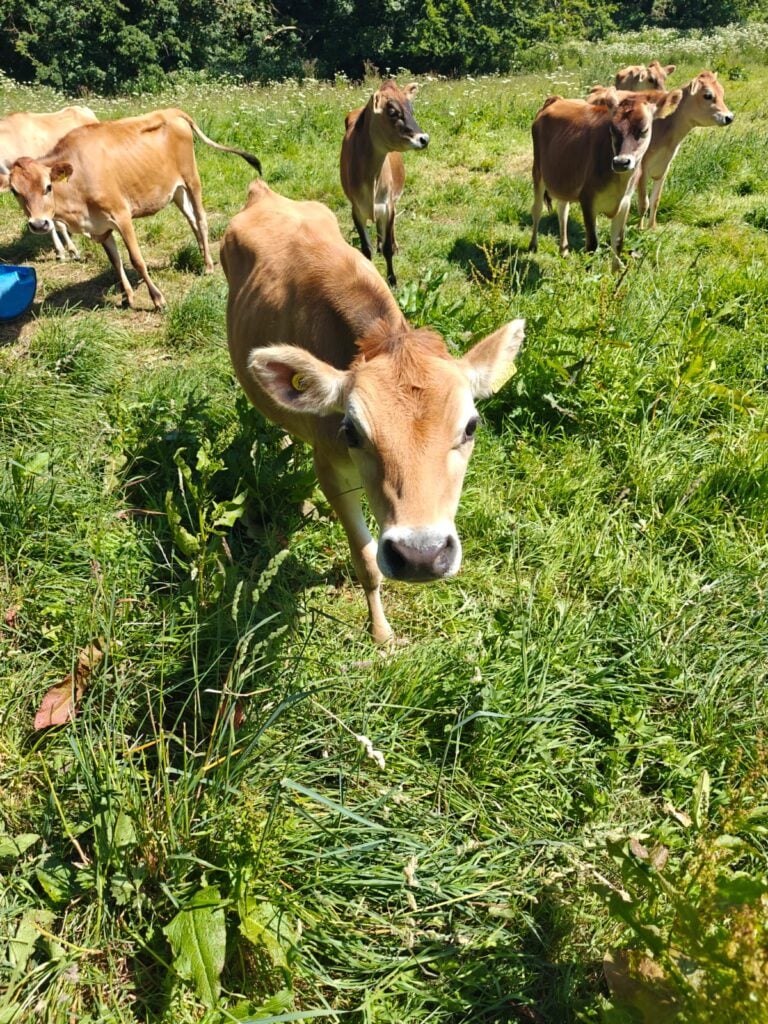
Our founder and director, Piers Sangan, has been working directly with the dairy sector since 2018, when farms began transitioning toward LEAF (Linking Environment and Farming) accreditation, a recognised standard of environmental excellence that includes monitoring requirements for different species. Winter farmland bird counts came first, and bat data was collected more informally for a few years before being properly formalised in 2024 and rolled out across 11 dairy farms.
Bats make a particularly good subject for this kind of monitoring because they sit right at the top of the local food chain. As Piers put it, they’re a key indicator species: if something were wrong with the environment, bats would be among the first to show it. The numbers involved are striking. A single common pipistrelle can eat around 3,000 midges in one night during midsummer, and with an estimated 5,000 of them in Jersey, that adds up to close to 15 million midges removed from the island every night across the summer.
Jersey is home to 18 bat species in total, split roughly by what they hunt. Smaller bats go after flies and midges, medium-sized species take moths, spiders, and crane flies, and the largest feed on things like dung beetles. Finding a good mix of all three groups on a single farm is a strong sign of a healthy, layered ecosystem, since it means there’s enough invertebrate life at every level to support them. Because Jersey’s bats are entirely insectivorous, healthy populations also translate into a degree of natural pest control, potentially reducing how much pesticide a farm needs to apply to protect its crops.
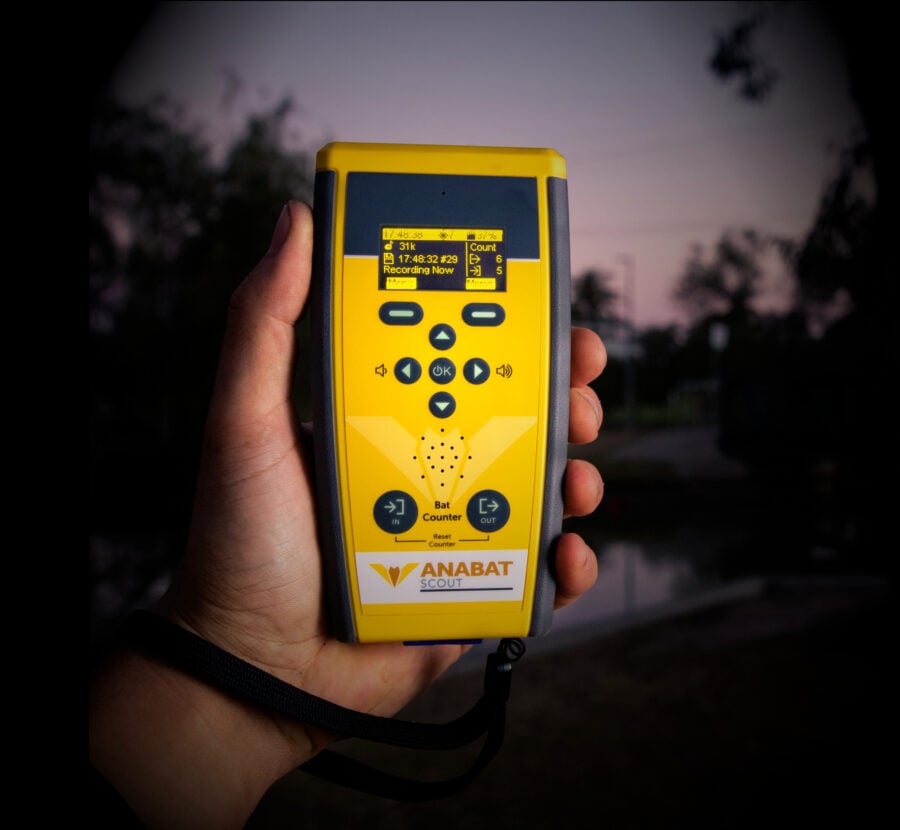
The surveys themselves run twice a year, once in May and again around August, timed to either end of the bat breeding season. Each visit takes about 90 minutes, starting at dusk as bats begin emerging from their roosts, with farmers often joining the survey team out in the field. An Anabat Scout, a handheld full-spectrum detector, records each bat’s echolocation calls along with its GPS location and the time of the encounter, building up a map of where bats are feeding across the farm. In 2024, that first formal year of surveying turned up 7 of Jersey’s 18 species across the 11 farms, with the common pipistrelle the most frequently recorded and one farm alone yielding 5 different species in a single visit.
The work is funded by the Jersey Dairy cooperative as part of its farmers’ LEAF audit process, and each participating farm gets its own data and maps to support that submission. From there, it often opens into a wider conversation about habitat. Recommendations might include better hedgerow management, leaving patches of rough vegetation for moths to establish, or creating darker corridors between foraging areas, since light pollution is increasingly cutting bats off from the places they’d otherwise feed. Even partial grazing of meadow systems can make a real difference to the invertebrate life underpinning the whole picture.
2024 gave us a solid baseline, with a second round of surveys planned across the same 11 farms in 2025. Funding permitting, the hope is to keep this running for at least five years, long enough to start identifying genuine trends rather than one-off snapshots, and to build real confidence in which sites are being used consistently by the island’s rarer species.
It’s a project that says something encouraging about where Jersey’s farming sector is heading: an entire industry that, moving in the right direction together, has real potential to shift the island’s ecological outlook for the better.
Sangan Island Conservation was established in 2012 and has spent over a decade providing ecological consultancy across Jersey and Guernsey, from development-related surveys to advisory work with the farming and agricultural community. Alongside the dairy farm bat surveys, the team also runs the Jersey Grey Long-eared Bat project and supports academic research, including ongoing PhD work into Jersey’s small mammals.