19 March 2025
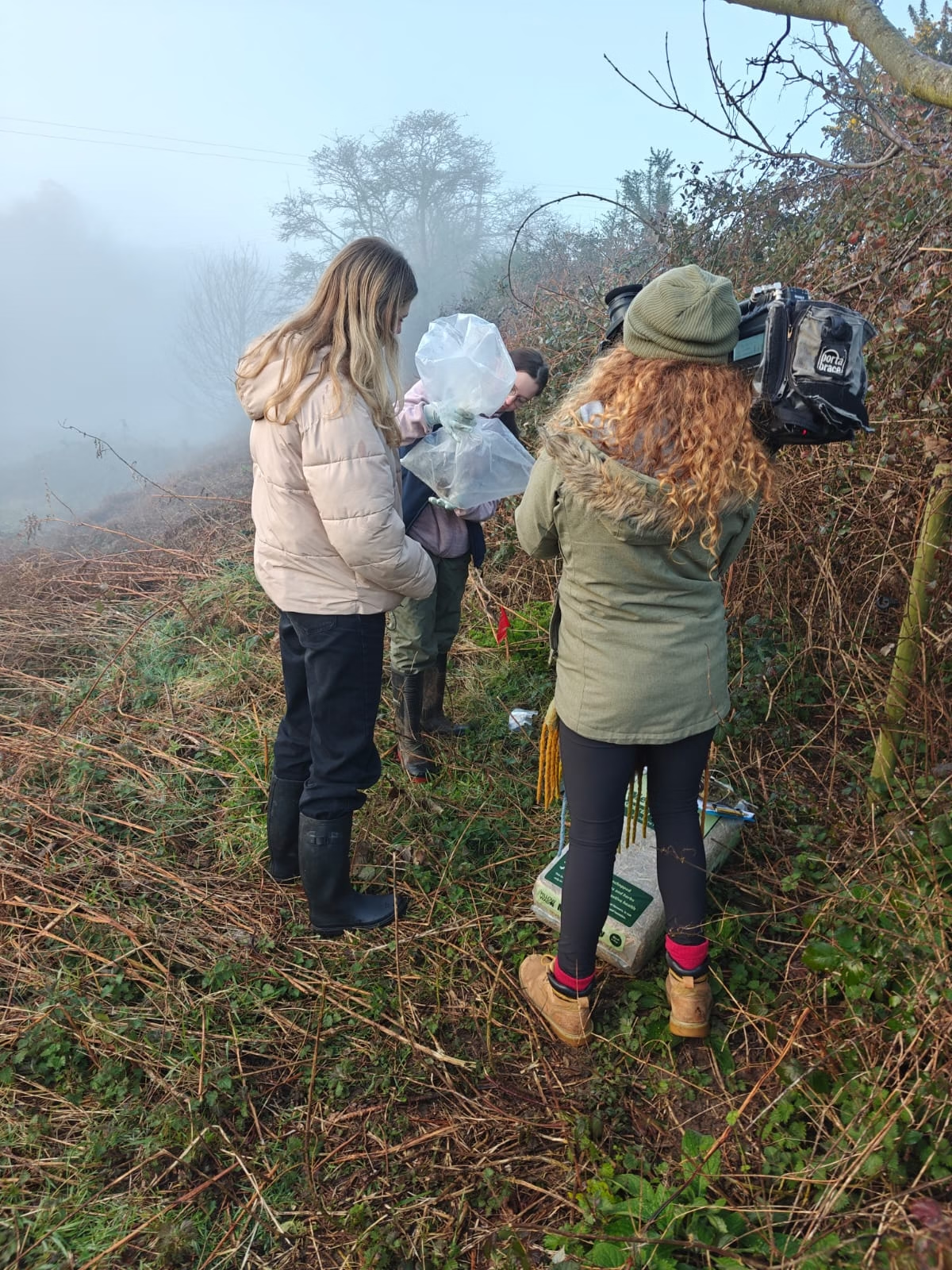
Viewers tuning into ITV’s recent feature got a glimpse of something that doesn’t often make it onto the news: a small mammal survey in action. Behind that footage is a multi-year PhD research project, run in partnership between Sangan Island Conservation, the University of Exeter, and the British Trust for Ornithology (BTO), looking at how we monitor some of the Channel Islands’ smallest and least visible residents.
The project focuses on four small mammal species found across Jersey: the bank vole (Myodes glareolus), the wood mouse (Apodemus sylvaticus), the lesser white-toothed shrew (Crocidura suaveolens), and Millet’s shrew (Sorex coronatus), a shrew species present in the Channel Islands but absent from mainland Britain, which makes local data on it especially valuable. All four are easy to overlook. They’re nocturnal or crepuscular, secretive, and rarely seen by anyone who isn’t specifically looking for them, which is exactly why dedicated survey work matters.
Live trapping has been the standard method for small mammal surveys for decades, and for good reason. It gives direct, in-the-hand confirmation of which species are present at a site, along with details like age, sex, and breeding condition that no other method can provide. Traps are checked regularly, animals are processed quickly and gently by trained, licensed ecologists, and every individual is released unharmed at the point of capture.
But trapping is also labour-intensive. It requires repeated site visits, a lot of staff time, and inevitably involves some level of disturbance to the animals being studied. That’s the gap this research is trying to address: can passive acoustic monitoring, recording the calls small mammals make and identifying species from sound alone, deliver comparable results with a lighter touch?
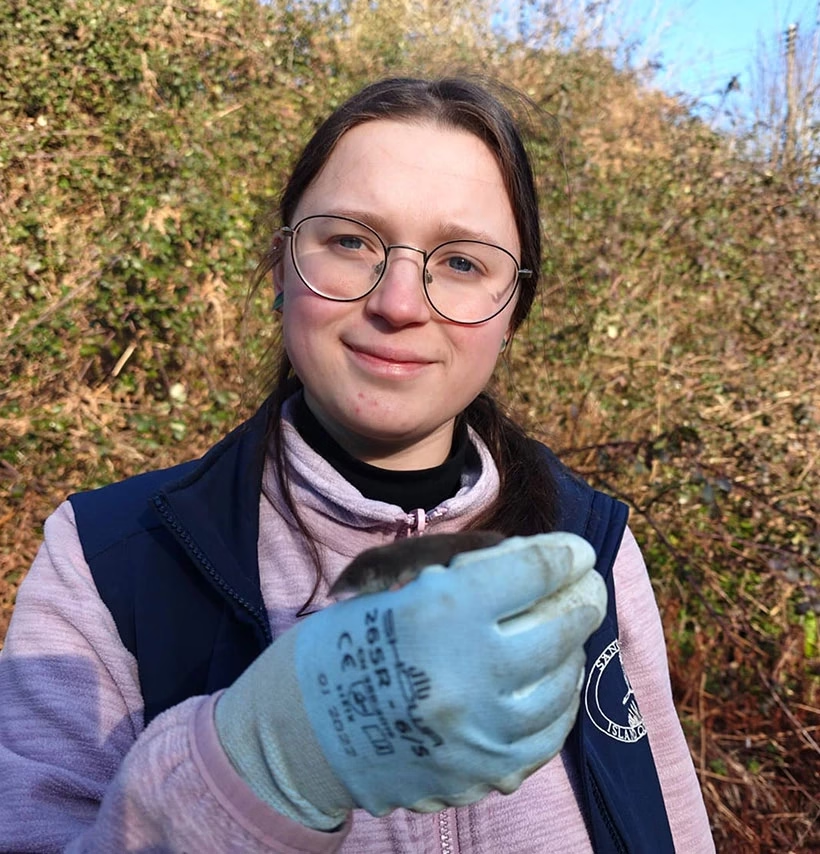
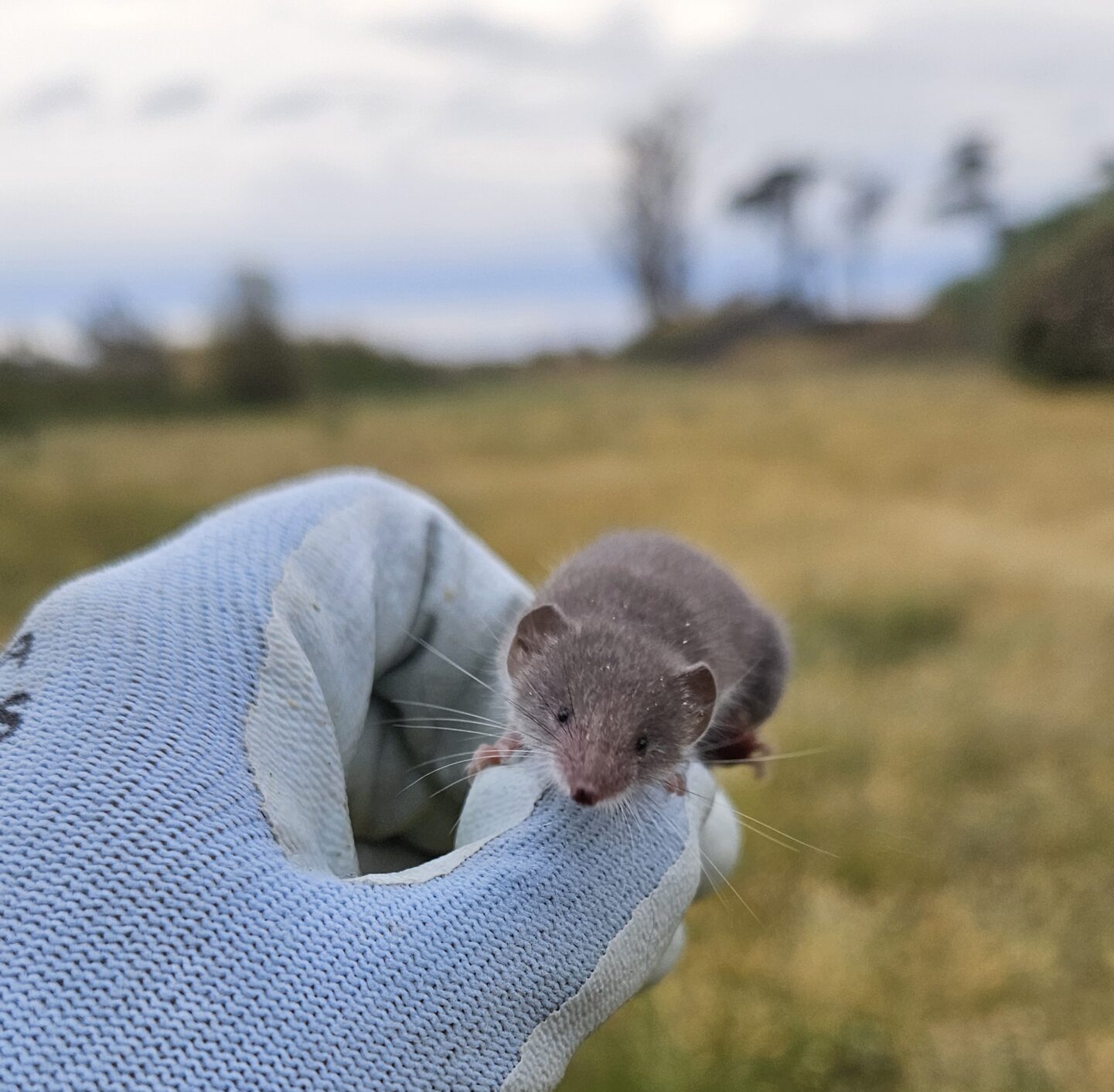
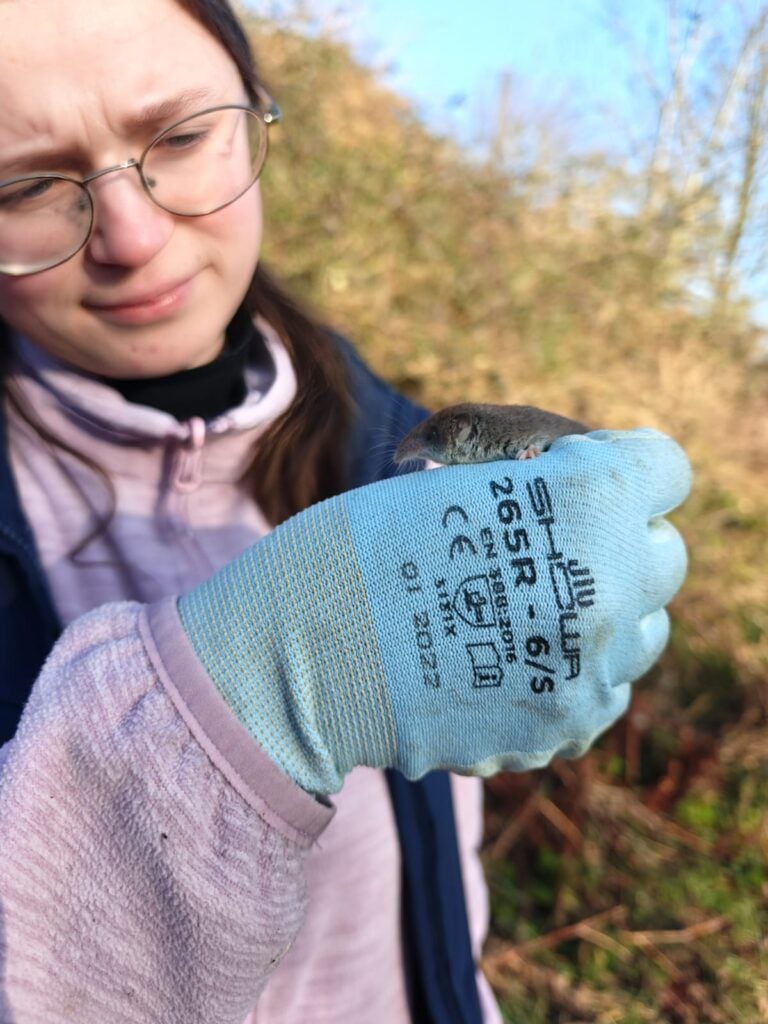
The research compares live trapping against passive acoustic monitoring across ten sites in Jersey, generating a direct, site-by-site picture of how the two methods stack up against each other for each of the four target species. The aim isn’t to replace trapping outright, but to understand where acoustic methods can reliably stand in for it, and where hands-on survey work will likely still be needed for the foreseeable future. Done well, this kind of approach could make small mammal monitoring more scalable across the Channel Islands without compromising the quality of the data collected.
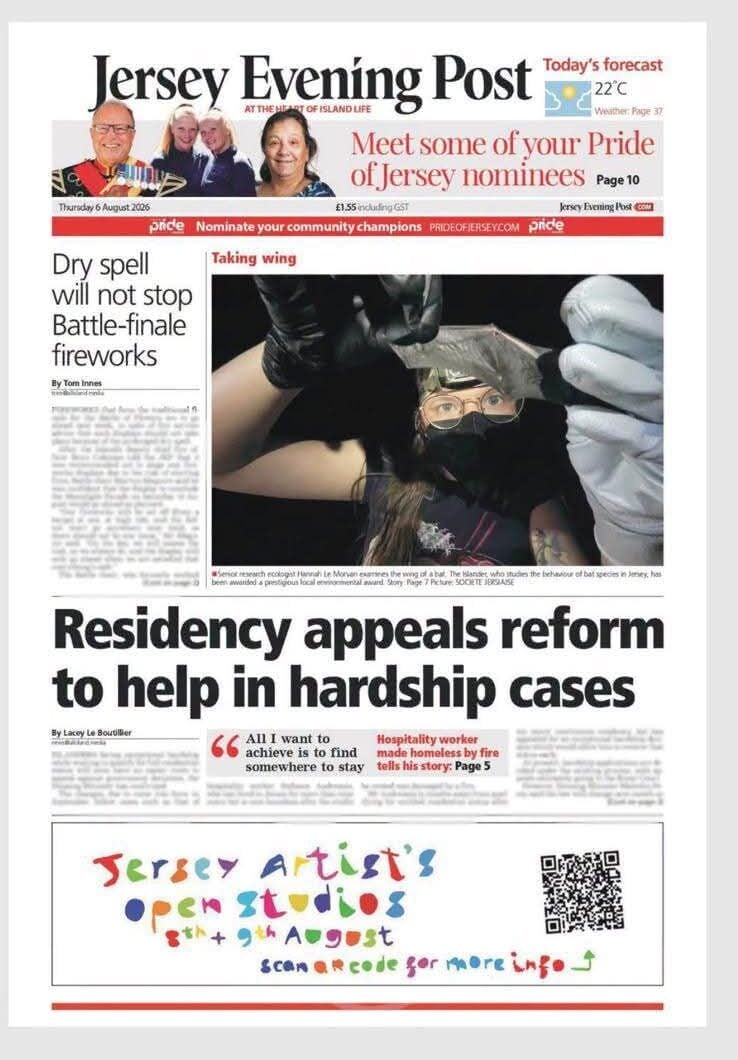
The work was recognised in 2024 with the Peter Walpole People’s Choice Award at the Insurance Corporation Channel Islands Conservation Awards, a nice indication that this isn’t just a niche academic question. People care about what’s living in the hedgerows and woodlands around them, even when those residents are easy to miss.
It’s exactly that kind of behind-the-scenes work the ITV report captured a glimpse of, and we’re glad to see it reaching a wider audience.