21 August 2023

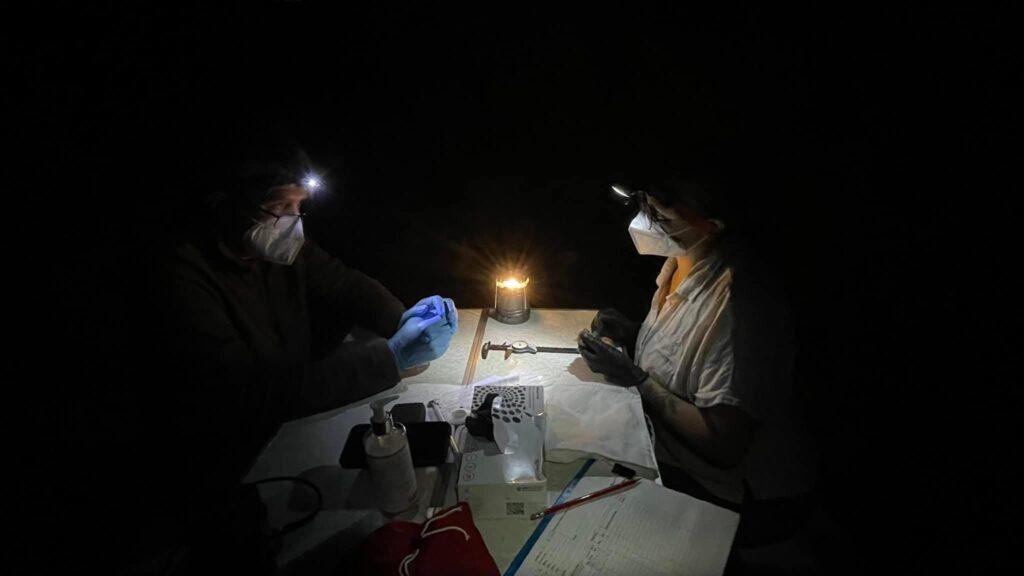
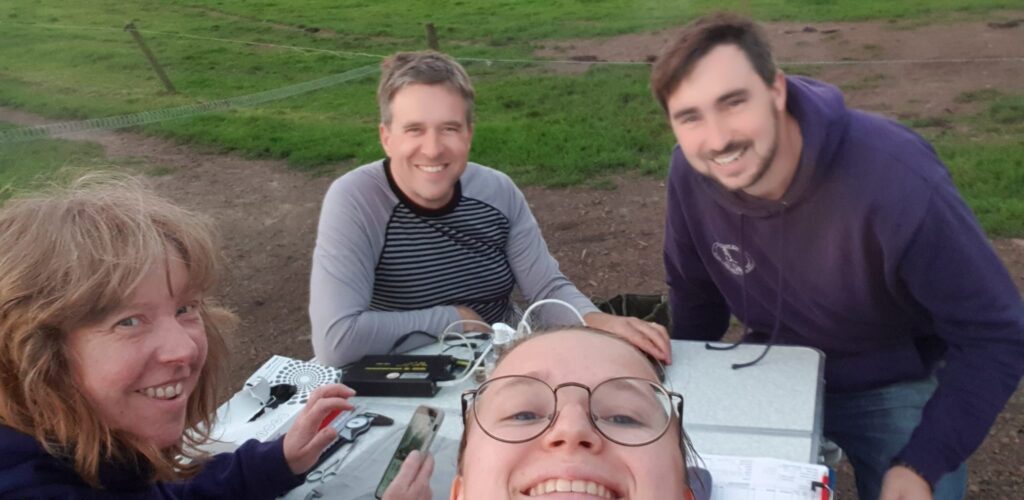
Sangan Island Conservation was delighted to have Richard Crompton (Ecology on Demand) with us in Jersey for a week of intensive fieldwork, contributing to the Jersey Grey Long-eared Bat Project.
In August 2023 we had a fantastic week of research and training with Richard, combining advanced bat survey techniques with hands-on radio tagging and tracking of grey long-eared bats here in Jersey.
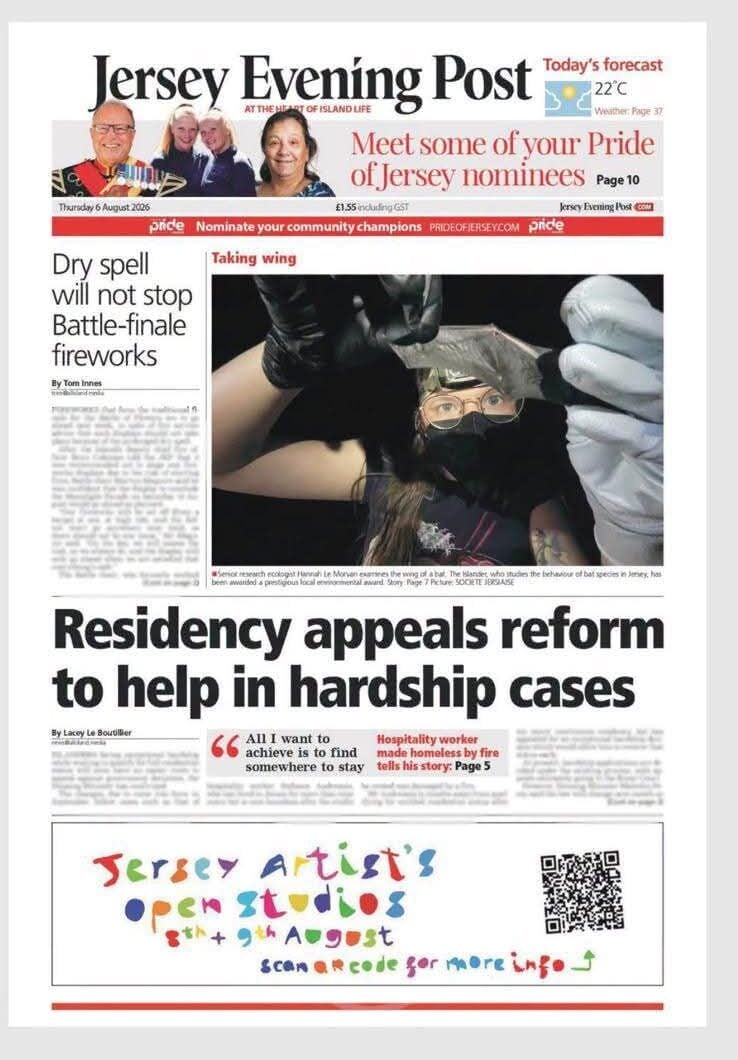
The week served a dual purpose: Hannah received her training in advanced bat survey techniques and bat handling, while Piers and Amy undertook their radio tagging and tracking training — with both being signed off by the end of the week. It was a real milestone for the team and a significant step forward for the Jersey Grey Long-eared Project.
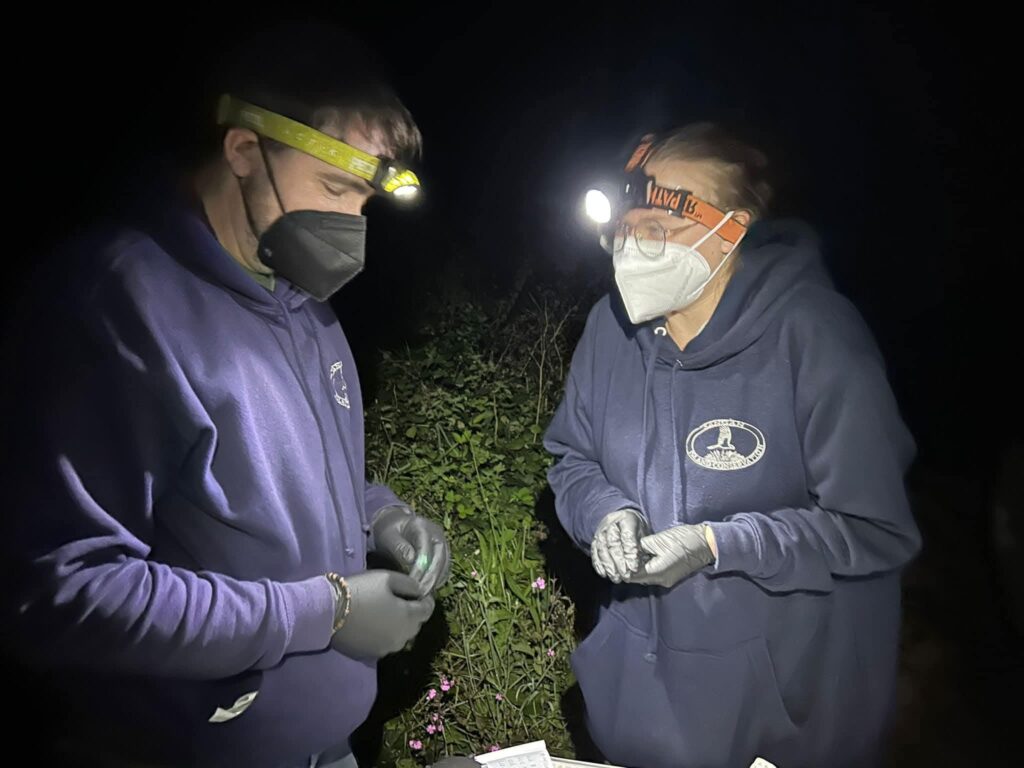
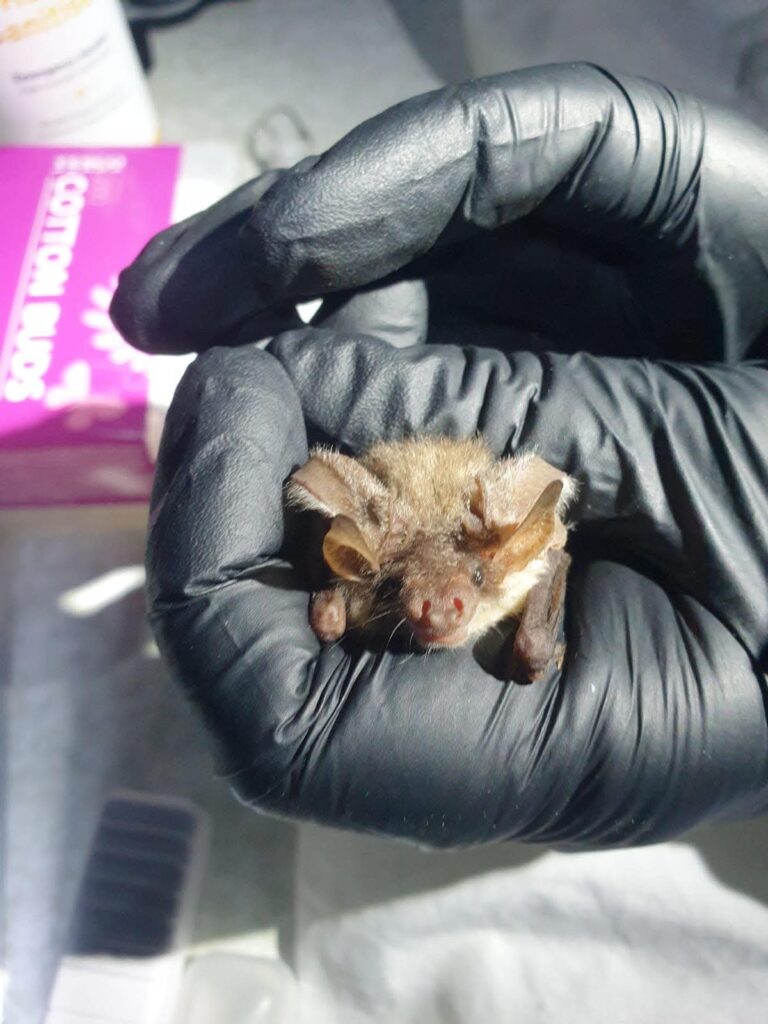
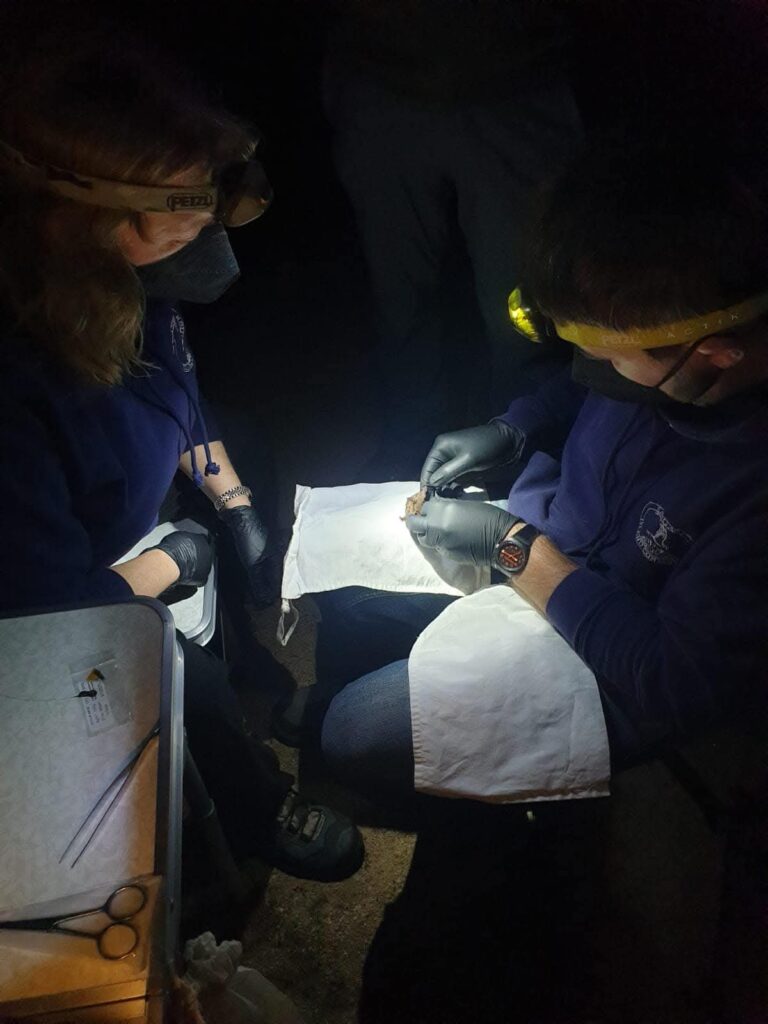
The team got off to a brilliant start. After an afternoon familiarising ourselves with the equipment and locating dummy tags in the field, the evening session exceeded all expectations — five grey long-eared bats were captured, including three juveniles. Two were fitted with radio tags before release, and one wasted no time making itself useful for science, flying over a mile away to feed over agricultural land. Incredibly, this marked the first time grey long-eared bats had ever been radio tracked in Jersey, giving us our first real glimpse into how they are using the island’s landscape.
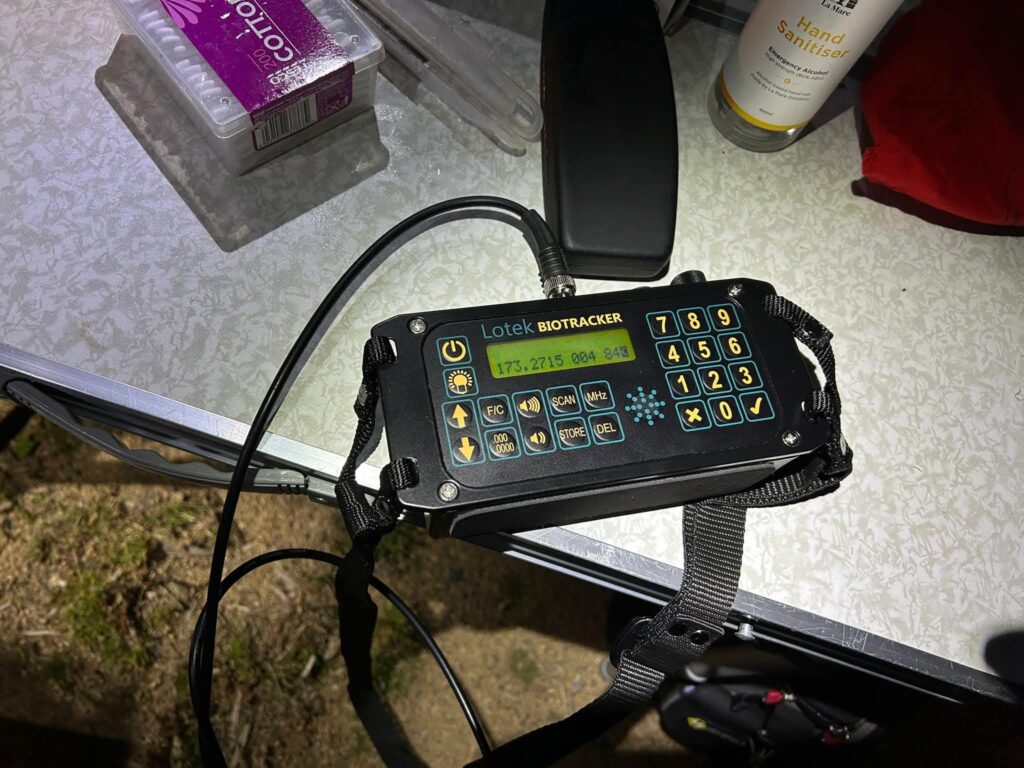

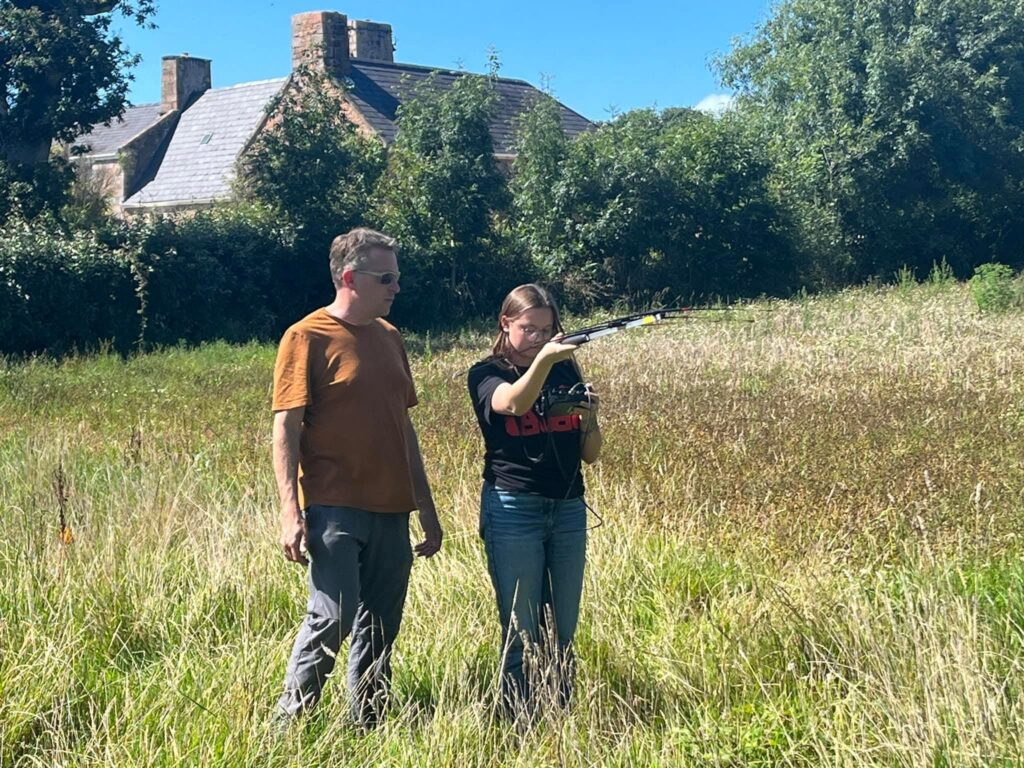
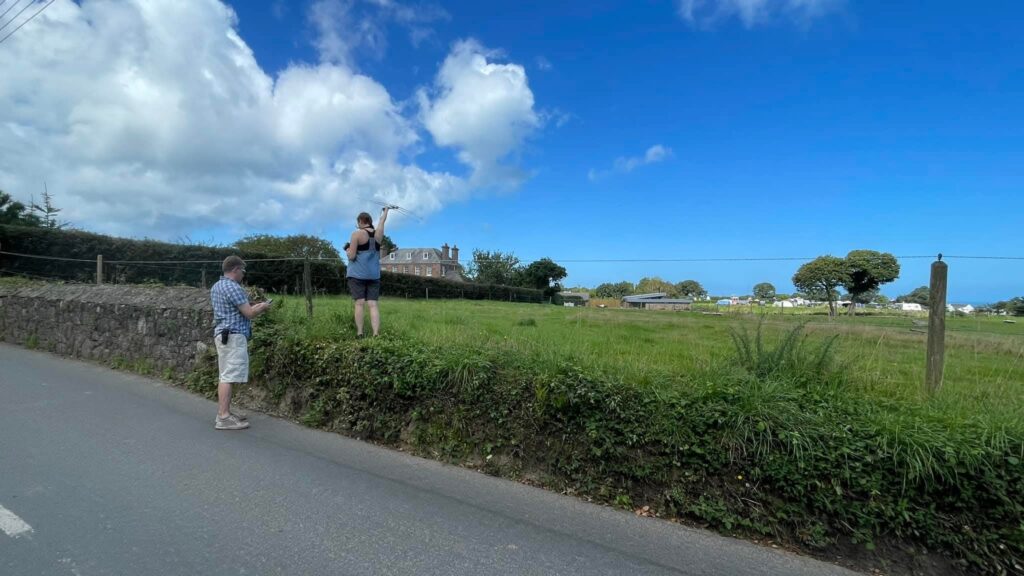
The team then carried out radio tracking surveys during the day confirming the roost locations of the two tagged bats from the night before — both found close to the original trapping site. That evening we moved to a new location with the aim of tagging both a male and a female, which we achieved with the first two captures of the night. Tracking continued through the night: the male stayed close to the area, while the female ranged over a mile away before returning at 2am.
This research was made possible thanks to funding from the Jersey Community Foundation, and all work was carried out under licence.